
Anúncios
Ever heard a bird singing outside your window and wondered exactly which species it was? A sound identification app can answer that in seconds. 🎵
Sound identification technology has moved far beyond novelty. It now powers birdwatching, music discovery, and even home safety monitoring, all from a smartphone microphone.
Understanding how these apps work — and which features actually matter — helps you pick the right tool instead of downloading five apps that do the same thing poorly.
How Sound Recognition Technology Actually Works#
Most identification apps rely on a process called audio fingerprinting. The app converts a sound wave into a spectrogram, basically a visual map of frequency over time, then compares that pattern against a massive database.


For bird identification specifically, machine learning models get trained on thousands of recordings per species. Cornell Lab’s Merlin project, for instance, has processed millions of audio clips to teach algorithms the difference between a robin’s cheerful warble and a cardinal’s sharp whistle.
Music identification apps like Shazam use a different but related approach. They create a unique “fingerprint” from a song’s peaks in the audio spectrum, then match it against a catalog containing tens of millions of tracks in under five seconds.
The Three Main Categories of Sound Apps#
- Bird and wildlife identifiers — focus on nature sounds, often paired with photo recognition
- Music recognition tools — identify songs playing in real time, including from radio or TV
- General sound classifiers — detect alarms, glass breaking, dog barks, useful for accessibility and home safety
Why Bird Sound Identification Has Exploded in Popularity#
Birdwatching used to require years of field experience, a good pair of binoculars, and a thick guidebook. Now a five-second recording does most of the heavy lifting. 🐦
During the pandemic, birdwatching participation in the United States jumped by roughly 40% according to Audubon Society data, and app downloads followed the same curve. People stuck at home started noticing backyard wildlife for the first time.
What makes this shift interesting is the accuracy level. Modern apps can distinguish between similar-sounding species with surprising precision — telling apart, say, a Carolina Wren from a House Wren, something that would stump many casual listeners.
What Makes a Bird Identification App Reliable#
Not every app in this category performs the same. Quality depends on a few concrete factors:
| Factor | Why It Matters |
|---|---|
| Database size | Apps covering 1,000+ species handle regional variation better than smaller libraries |
| Offline mode | Essential for remote trails or parks with no signal |
| Photo + sound combo | Cross-referencing visual and audio data boosts identification confidence |
| Noise filtering | Separates target bird calls from wind, traffic, or other animals |
Apps that combine photo identification with audio recognition tend to perform better overall, since they can confirm a guess two different ways instead of relying on sound alone.

Bird Song Identifier
Installs10K+
Size47.5MB
PlatformAndroid/iOS
PriceFree
Information about size, installs, and rating may change as the app is updated in the official stores.
Music Identification Apps: Beyond Just Naming a Song#
Shazam, acquired by Apple in 2018, now processes over 20 million searches a day worldwide. But the technology behind it has quietly evolved into something more useful than just confirming a song title.
Many music apps now pull in lyrics synced to playback, link directly to streaming platforms, and build a searchable history of everything you’ve ever identified. That history becomes a personal music diary over time.
Practical Scenarios Where Music Apps Shine#
- Catching a song playing at a café or store before it ends
- Identifying background music in a video or movie scene
- Discovering remixes or covers of tracks you already know
- Building playlists automatically from identified songs
One limitation worth mentioning: music apps struggle with live performances, heavily remixed tracks, or songs with significant background noise. Accuracy drops noticeably in crowded, loud environments.
Comparing Accuracy Across Different App Types#
Accuracy isn’t a single number — it varies a lot depending on conditions. A clear recording of a single bird singing nearby might hit 95% identification accuracy. The same app analyzing a dawn chorus with ten species overlapping could drop to 60% or lower.
Environmental noise is the biggest accuracy killer across every category. Wind, traffic, and overlapping sounds confuse even well-trained algorithms.
Tips to Improve Identification Accuracy#
- Record for at least 5-10 seconds rather than a quick snippet
- Get as close to the sound source as safely possible
- Avoid recording during heavy wind or rain
- Use headphones with a built-in mic for cleaner input when identifying music indoors
- Update the app regularly — databases expand with new training data over time
Some apps also let users confirm or correct a guess, which feeds back into improving the model. This kind of crowdsourced correction is part of why identification accuracy keeps climbing year over year.
Choosing the Right App for Your Needs#
Someone casually curious about the sparrow outside their window has different needs than a serious birder tracking migration patterns across a season.
For casual users, a simple interface with instant results matters more than a massive species database. For dedicated hobbyists, features like sighting logs, migration maps, and community sharing add real long-term value.
Questions Worth Asking Before Downloading#
- Does it work offline, or does it require constant internet access?
- Is the species database region-specific or global?
- Can it identify from both photos and audio recordings?
- Does it store a history of past identifications?
- Is there a free tier with genuinely useful functionality?
Price also deserves a mention. Most reputable apps offer a solid free version with optional premium upgrades for advanced features like unlimited identifications or detailed species guides.
The Growing Role of AI in Everyday Nature Observation#
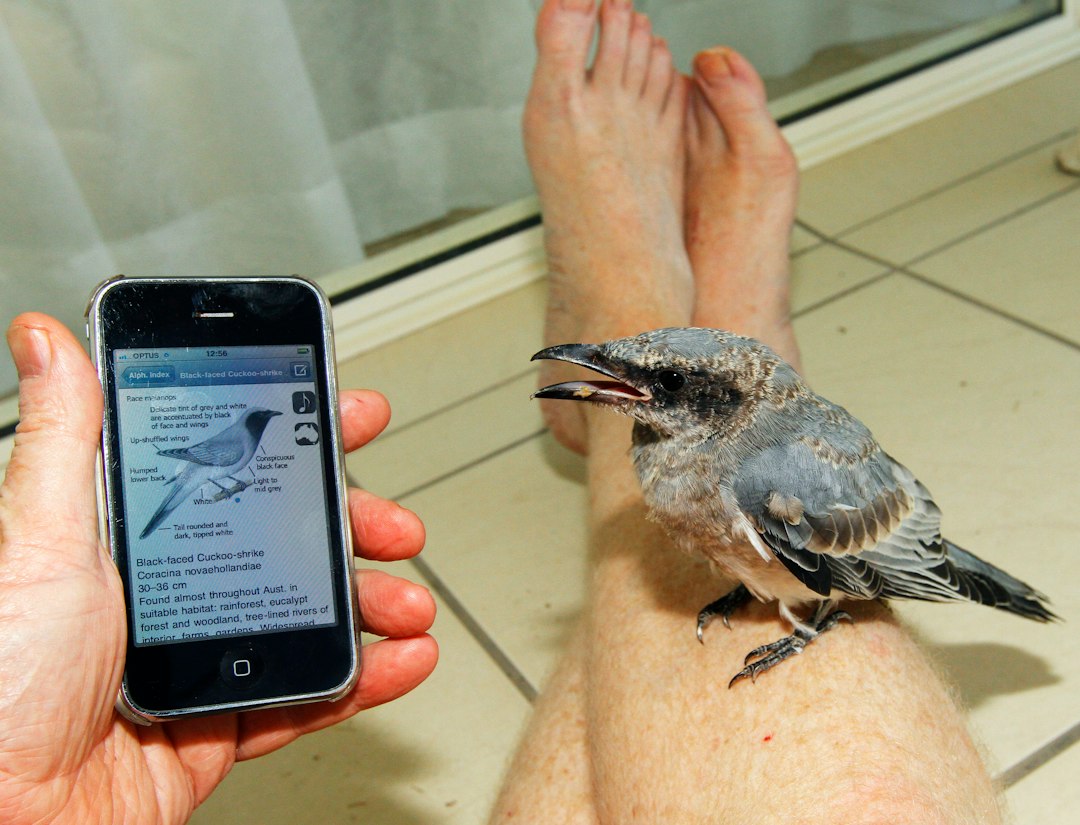
What started as a niche tool for ornithologists has turned into a mainstream gateway for reconnecting with the outdoors. Schools now use bird identification apps in science classes. Park rangers recommend them to visitors. Citizen science projects collect millions of data points from everyday users pointing a phone at the sky.
This data feeds back into conservation research too. eBird, run by Cornell Lab of Ornithology, has accumulated over a billion bird observations from regular users worldwide, many submitted through companion identification apps.
That’s the quiet power behind this technology — it turns a five-second curiosity into a small contribution toward understanding bird populations, migration shifts, and even climate impact on wildlife behavior.
Whether you’re trying to name a song stuck in your head or figure out which bird keeps waking you up at dawn, the right app turns guesswork into an answer you can trust — and often teaches you something new along the way. 🌿

Keep reading
You might also like

Best Horror Movie Apps to Stream Scary Films Today
Horror movie apps have changed how fans discover, stream, and track scary films, putting decades of chilling content into a single pocket-sized…

Comic Book App: Read and Create Digital Comics
Turning everyday moments into comic panels is easier than ever, and a dedicated comic maker app puts that power right in your…